Call Us Now
 Email Us Now


While you want to take measures to ensure your elderly loved one is properly cared for, it’s important to understand that elder abuse and neglect can happen anywhere — and at any time. The perpetrators of this maltreatment can be caregivers, family members, nursing home staff, or new “friends” who seek to financially exploit your loved one. It’s essential to know how to detect the different types of elder abuse and understand what legal protections for seniors are available.
What is Elder Abuse and Neglect?
Elder abuse is defined as any act that causes harm to a senior. These acts are often carried out by a trusted person and can take many forms. Specifically, the different types of elder abuse, include the following:
- Physical abuse — Physical abuse is one of the most common forms of elder abuse and can include acts that cause bodily harm, such as hitting, pushing, or slapping. Indicators of physical abuse can include a change in behavior, cuts or bruises, sprains, isolation, and confinement.
- Emotional or psychological abuse — Emotional or psychological abuse can consist of degradation, name-calling, humiliation, intimidation, and pressuring. If your loved one was subjected to this type of abuse, they may exhibit fear, anxiety, depression, or changes in behavior.
- Sexual abuse — This type of abuse can involve forcing the senior to engage in unwanted sexual behaviors or being forced to watch obscene videos without their consent. Signs of sexual abuse can include both physical and emotional symptoms.
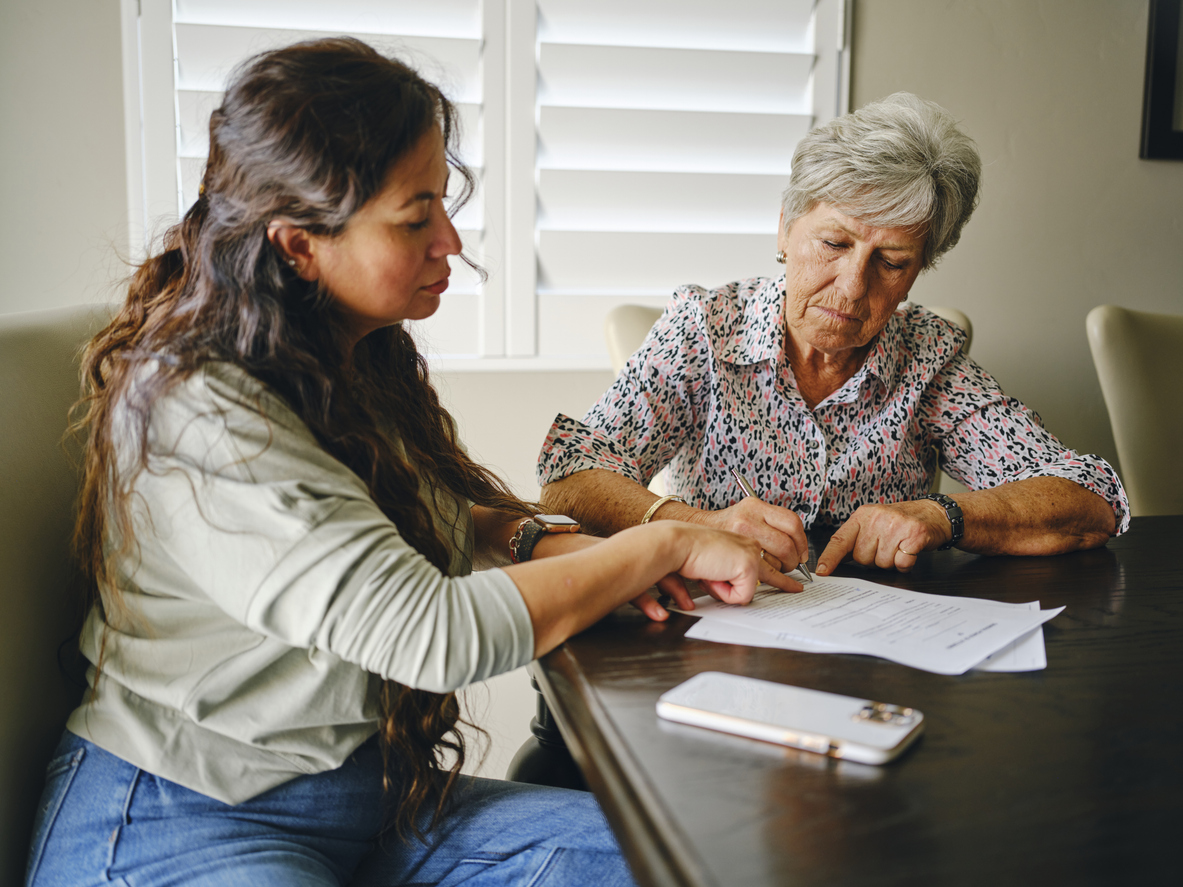
- Financial abuse — Financial abuse or exploitation can involve taking a senior’s money without permission, making them sign legal documents they don’t understand, or selling their possessions without consent. Warning signs can include sudden changes in bank accounts, unauthorized withdrawals, unexplained transfer of assets, and abrupt changes to a will.
Elder neglect is another type of maltreatment. Unlike abuse, which consists of intentional acts, neglect is defined as the failure to act. It can involve withholding food, shelter, clothing, medical care, or personal hygiene. Signs of neglect can be both physical and behavioral, depending on the circumstances. For instance, a senior who has been neglected may be malnourished or dehydrated. They might also develop bedsores or poor hygiene, and withdraw from their usual activities.
How Can You Protect a Loved One From Elder Abuse and Neglect?
Elder abuse and neglect are serious matters. In many cases, older adults may not ask for help because they are embarrassed, fear retaliation, or feel loyalty to the family member perpetuating the abusive acts. By knowing the signs of elder abuse, working with your loved one to have a plan in place for incapacity, and carefully selecting a caregiver, you can help ensure they are protected from this type of wrongdoing.
Know the Signs of Elder Abuse and Neglect
Identifying elder abuse can often be as simple as noticing changes in their behavior or financial situation. Talk to your loved one often so you can stay informed. Find out who manages their finances on a daily basis, keep an eye out for unusual activity on their accounts, and get to know any new “friends.” Visit regularly, if possible, and take notice if they have any unexplained injuries or suddenly withdraw from their normal activities.
Be Involved in the Process of Choosing a Caregiver
To help prevent elder abuse and neglect, it’s best to be involved in the process of selecting a caregiver. Gather recommendations, review references, and conduct a thorough background check. You should also inquire about the caregiver’s experience with the specific type of care your loved one requires, whether they have special medical requirements or simply need companionship.
Encourage Your Loved One to Plan for Incapacity
Significantly, by planning for incapacity in advance, your loved one can determine who will handle their financial affairs and care for their daily needs in the event they become unable to make decisions for themselves. Designating a trusted individual who will act on their behalf can significantly reduce the risk of elder abuse and financial exploitation. It can also help avoid lengthy court proceedings to appoint a guardian or conservator.
Some of the tools your loved one may use can include trusts, a financial power of attorney, and a healthcare power of attorney. A plan for incapacity can also provide for multiple layers of protection — such as by appointing co-trustees. When two trustees are appointed, rather than one, they can act as checks and balances by monitoring the actions of the other.
Contact an Experienced Elder Law Attorney
If your loved one has been subjected to elder abuse or neglect, a knowledgeable elder law attorney can help. They can advise you regarding the legal protections for seniors, assist with implementing the steps necessary to ensure your loved one’s welfare is safeguarded, and seek remedies against an offending party when appropriate. We invite you to contact Estate Planning & Elder Law Services today to learn more about how we can assist you with finding solutions. Our attorneys provide trusted representation to individuals and families for a wide range of elder law matters, including those involving elder abuse and neglect.